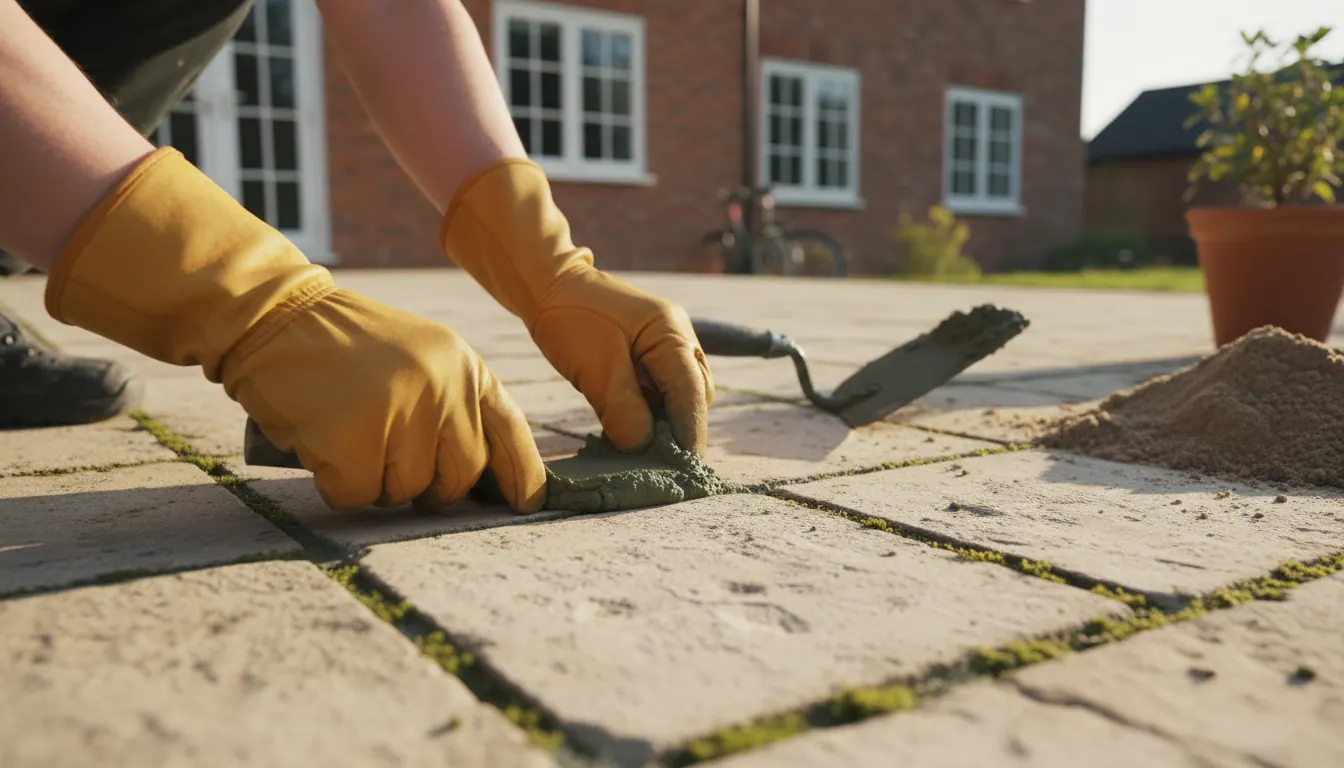
Hedge Trimming in Nottinghamshire: When to Cut, How Often, and Why It Matters
Looking for professional hedge trimming in Nottinghamshire? JB Services covers Newark and surrounding areas. Tidy hedges, honest advice, free quotes.

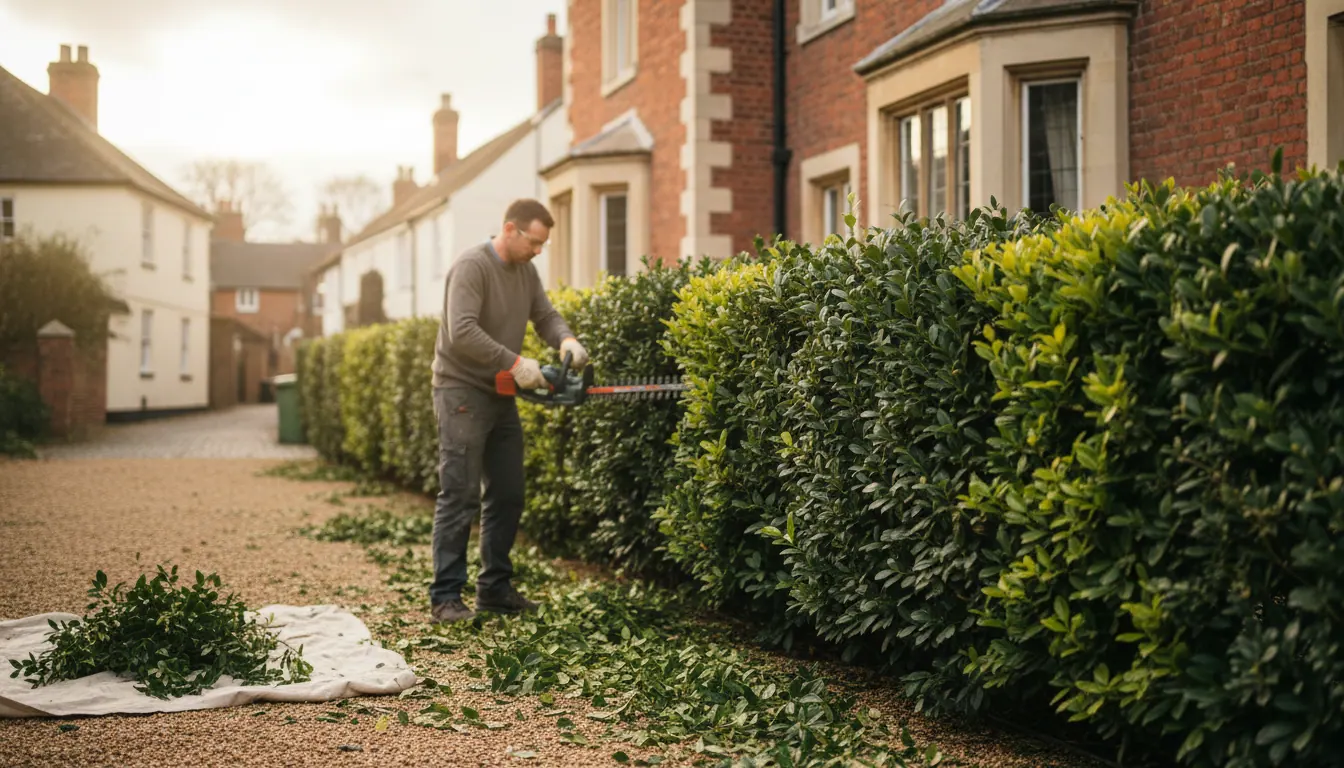
Hedge trimming in Nottinghamshire: what you need to know before you book
Overgrown hedges have a way of creeping up on you. One week the growth looks manageable, and the next your boundary looks like something from an abandoned garden. If you are based in Newark-on-Trent or the surrounding villages and outlying areas of Nottinghamshire, getting your hedges trimmed at the right time of year makes a real difference, both to how the garden looks and to the long-term health of the plants.
We offer professional hedge trimming across Newark and Nottinghamshire as part of our wider garden maintenance service. Jonny brings all the tools, tidies up afterwards, and works around your schedule. No fuss.
Why timing your hedge trim actually matters
Timing is probably the single most important factor people overlook. Trim too early in the growing season and you can stimulate a flush of soft new growth that looks untidy within weeks. Trim at the wrong time of year and you risk disturbing nesting birds, which is not just bad practice, it is a legal issue (more on that below).
As a general rule, the two best windows for hedge trimming in Nottinghamshire are:
- Late winter to early spring (February to March): Before birds begin nesting and before the main growing season kicks off. A tidy-up now sets the shape for the year ahead.
- Late summer to early autumn (August to September): After the main nesting season and while growth has slowed. This is the trim that keeps hedges looking sharp heading into winter.
Autumn is a particularly good time for us here in Newark. Growth has slowed, the hedge holds its shape well after a cut, and you head into the colder months with clean, defined boundaries rather than a tangled mess.
What months should you avoid trimming hedges?
The months to be most cautious about are March through to the end of July. This is the main nesting season for most garden birds in the UK. Hedges are prime nesting habitat, and disturbing an active nest is an offence under the Wildlife and Countryside Act 1981.
That does not mean you absolutely cannot touch a hedge between March and July. It means you should check carefully for active nests before any work begins. If there are eggs or chicks present, you wait. It is that simple.
For most homeowners in Nottinghamshire, the practical answer is to get the main structural trim done in late winter or late summer, and leave the nesting months alone unless a light tidy is genuinely necessary and you have checked thoroughly first.
Are there new hedge cutting rules in the UK for 2026?
This question has been circulating online and causing some confusion. The core legal position around nesting birds has not changed: the Wildlife and Countryside Act 1981 remains in force and continues to protect active nests. There is no new law in 2026 that fundamentally changes when you can or cannot trim a hedge in a domestic garden.
What has evolved is awareness. More homeowners are now conscious of their responsibilities, and local councils and conservation groups have been more vocal about the nesting season guidance. The practical advice we give is the same as it has always been: avoid cutting between March and July unless you have checked for nests, and do your main trimming in late winter or early autumn.
If you are ever unsure, just give us a call. We are happy to take a look and advise before any work starts.
What does a proper hedge trim actually involve?
A tidy hedge trim is more than running a pair of shears along the top. Done properly, it covers:
- Shaping the sides and top to a consistent line, keeping the hedge proportionate to the garden
- Removing dead or crossing growth from within the hedge where possible
- Tidying the base, cutting back any growth that has crept onto paths, driveways or borders
- Clearing up all clippings, so you are not left with a garden full of debris
We bring all our own equipment, so you do not need to worry about having the right tools. Everything is loaded up in the van and ready to go.
For hedges that have been left for a few seasons and have got significantly overgrown, a one-off recovery visit can make a dramatic difference. We do take on those jobs across Newark and the surrounding areas of Nottinghamshire. It often takes a bit more time and care to bring a neglected hedge back into shape without stressing the plant, but the results are well worth it.
Regular visits or a one-off trim?
Both work, and it really depends on your situation.
Some of our customers prefer a one-off visit once or twice a year, typically late summer and again in late winter if needed. That suits people who are reasonably on top of things but just want the job done properly without having to do it themselves.
Others prefer a regular arrangement, where we come out on an agreed schedule throughout the growing season. This tends to keep hedges in better shape overall because you are never letting them get too far ahead of themselves between cuts.
If you are a landlord or letting agent managing a property in Newark or the surrounding villages and outlying areas, a regular garden maintenance arrangement can be a straightforward way to keep the exterior of the property looking presentable year-round without having to think about it. We are happy to discuss ongoing arrangements.
You can read more about how we approach regular versus one-off garden visits in our article on grass cutting and garden edging in Newark, which covers a lot of the same thinking.
Autumn is the right time to act
Right now, as we move through autumn in Nottinghamshire, hedges are in a good place to be trimmed. Growth has slowed down considerably compared to the summer flush, the nesting season is well behind us, and a tidy-up now means your garden goes into winter looking well kept rather than wild.
We are also doing a lot of seasonal clearance work at this time of year: fallen leaves, overgrown borders, end-of-season weeding and general tidy-ups. If your hedge needs doing alongside a broader garden clear-out, we can combine the visit and get everything sorted in one go.
It is also worth thinking about your fences and outdoor timber while we are out there. If fence panels or posts need a coat of treatment before the wet weather sets in, that is something we can take care of too. Have a look at our guide to fence painting and treatment in Nottinghamshire for more on that.
What our customers say
We are a small, local business and we take real pride in the work we do. Here is what one of our customers had to say:
"I highly recommend Jonny for his reliable and friendly service. He proactively communicates, asking if we need a grass trim since our growth hasn't been much lately. His politeness and professionalism are evident and our lawn looks noticeably better than before we discovered his services. Even our friends complimented it when they visited recently. We're so grateful for Jonny's amazing work!"
Denisa Barbu, 5 stars
That proactive communication Denisa mentions is something we genuinely try to do. Gardens do not grow at a fixed rate. A dry spell in summer can mean growth slows right down, and there is no point booking a trim if the hedge has barely moved. We keep in touch and use common sense rather than just turning up on a fixed schedule regardless.
Frequently asked questions
What months should you not trim hedges in the UK?
The main period to avoid is March to July, which covers the nesting season for most garden birds. Cutting hedges during this time risks disturbing active nests, which is an offence under the Wildlife and Countryside Act 1981. The safest windows are late winter (February to March, before nesting begins) and late summer to early autumn (August to September).
Is it illegal to cut hedges in the UK right now?
It is not illegal to cut hedges outright, but it is an offence to disturb or destroy an active bird's nest. During the nesting season (broadly March to July), you should check carefully for nests before any trimming. Outside that window, trimming is generally fine. If you are unsure, we are happy to assess before we start any work.
Are there new hedge cutting rules coming in 2026?
There is no new law changing the rules for domestic hedge cutting in 2026. The existing protections under the Wildlife and Countryside Act 1981 remain in place. What has grown is public awareness of the nesting season restrictions. Our advice stays the same: trim in late winter or late summer, and check for nests if you need to cut at any other time.
Do you cover the whole of Nottinghamshire or just Newark?
We are based in Newark-on-Trent and cover Newark and the surrounding villages and outlying areas of Nottinghamshire. If you are not sure whether we reach you, just give us a call and we will let you know straight away.
Get in touch for a free, no-obligation quote
If your hedges need sorting before winter sets in, we would love to help. We quote each job individually once we understand what is needed, so there are no surprises. Just call us on 07902 258428 and we can have a chat about what you need and when suits you.