Shed Treatment and Timber Care in Nottinghamshire: Protect Your Garden Structures Year-Round
Shed treatment in Nottinghamshire keeps your outdoor timber sound through wet winters. JB Services covers Newark and the surrounding areas. Get a free quote today.

Protect Your Shed Now, Before the Nottinghamshire Winter Bites
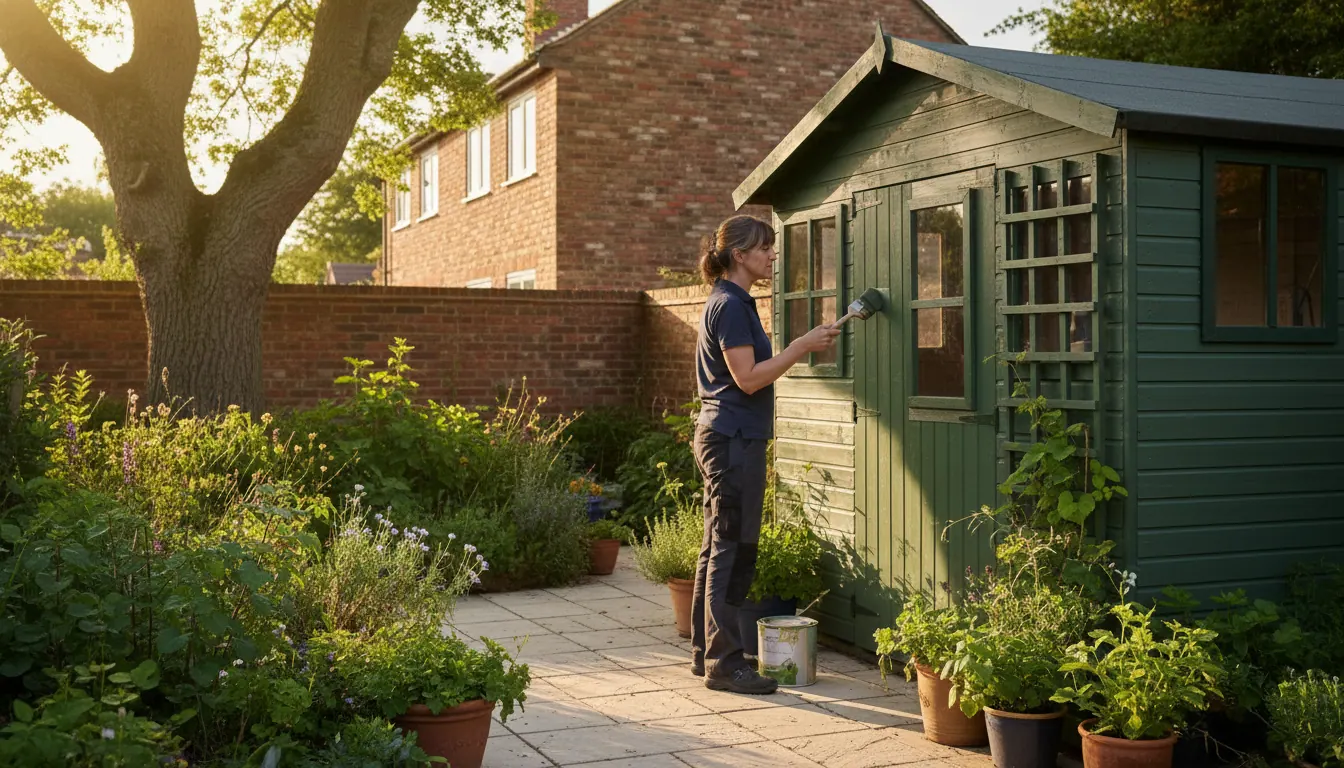
Autumn is the ideal time to treat your shed. The wood is dry from the summer, the worst of the wet weather hasn't arrived yet, and a good coat of treatment applied now will form a proper barrier before the frost, rain and damp of a Nottinghamshire winter set in. Leave it too long and you're looking at cracked, greyed or rotting timber that costs far more to sort out than a straightforward treatment would have done.
At JB Services, we carry out shed treatment and outdoor timber care across Newark-on-Trent and the surrounding villages and outlying areas of Nottinghamshire. Whether your shed is looking tired, flaking, or has never been properly treated since it was put up, we can help.
Why Shed Treatment Matters More Than Most People Think
A wooden shed takes a battering every year. Rain soaks in, the sun dries it out, frost gets into any cracks, and over time untreated or poorly maintained timber starts to split, warp and rot. Once rot sets in, it spreads. What starts as a soft corner at the base can work its way up the panels if it's left unchecked.
Treatment isn't just about appearances, though a freshly treated shed does look a great deal better. It's about sealing the grain of the wood so moisture can't penetrate, keeping the structure sound, and extending the life of what is, for most households, a fairly significant garden investment.
Here in Nottinghamshire, we get a proper four seasons. The summers can be warm and dry, which dries timber out and opens up cracks. The winters bring persistent damp, frost and sometimes standing water around the base. That cycle is exactly what good shed treatment is designed to resist.
What Shed Treatment Actually Involves
When we come out to treat a shed, it's not simply a case of slapping on a tin of preservative and walking away. The preparation matters just as much as the product.
Here's what the process typically looks like:
- Clean the surface first. Dirt, algae, moss and loose flaking material all need to come off before treatment goes on. Treatment applied over a dirty surface won't bond properly and won't last.
- Check the timber condition. We'll look for any areas of softness, rot or damage that need attention before treatment. If there are minor repairs needed, we can often deal with those as part of the visit.
- Apply the treatment evenly. We work methodically, getting into the joints, the corners and the areas around fixings, which are often where moisture gets in first.
- Allow proper drying time. This is why autumn is ideal: mild, dry days mean the treatment can cure properly before the rain arrives.
You're welcome to supply your own preferred product if you have a brand you trust, or we can bring a suitable timber treatment with us. Either way works.
Can You Paint Over Old Treatment or Paint on a Shed?
Yes, in most cases. If your shed has an existing coat of paint or stain that's still reasonably sound, a fresh coat can go over the top once the surface has been cleaned and any loose or flaking material has been removed. If the old coating is badly peeling, bubbling or cracking, it's better to strip it back first so the new treatment has a clean surface to adhere to.
The key question is whether the existing coating is compatible with what you want to apply next. Oil-based products generally don't play well over water-based ones, and vice versa. If you're unsure, get in touch and we'll have a look and advise before we start.
How Often Should You Treat a Shed?
Most timber sheds benefit from treatment every one to two years, depending on the product used, the exposure of the shed and the condition of the wood. A shed tucked under a tree or in a shaded, damp corner will need more regular attention than one in an open, sunny spot.
A good rule of thumb: if the wood looks dry and grey, if water no longer beads on the surface, or if you can't remember the last time it was treated, it's time. Don't wait until you can see soft spots or rot, because by then the job is harder and more expensive to put right.
Autumn is the natural time to add it to the to-do list. It fits alongside other seasonal jobs like hedge trimming and tidy-ups before winter and fence painting and treatment, which we also carry out across Newark and the surrounding areas.
Keeping a Shed Damp-Free: Beyond the Treatment Itself
Treatment does a lot of the work, but there are a few other things worth doing to keep a shed in good condition:
- Improve ventilation. Damp air trapped inside a shed is just as damaging as rain from outside. A small vent or simply leaving the door open on dry days helps.
- Check the roof felt. If the felt is cracked, lifting or has gaps, water will find its way in regardless of how well the walls are treated. It's worth inspecting it while you're working on the shed.
- Clear debris from around the base. Leaves and soil banked up against the bottom boards hold moisture against the wood. Keep the area around the base clear.
- Raise it off the ground if possible. Sheds sitting directly on soil or concrete without any airflow underneath are prone to rot at the base. Timber bearers or shed bases help enormously.
We can point out any of these issues when we come to do the treatment, so you get a full picture of what your shed needs.
What About the Roof? Is It Worth Replacing?
Shed roof felt does degrade over time. If it's cracking or lifting, water will get in and undo all the good work of treating the walls. That said, replacing shed roofing felt is a separate job from treating the timber, and it's worth assessing whether the structure is sound enough to justify the work before going ahead.
We don't carry out roofing work, but we'll always be honest if we think the roof needs attention when we're on site. Better to know early than to find out after a wet winter.
What Our Customers Say
We don't do a hard sell. We turn up when we say we will, do the job properly, and keep you in the loop throughout. That's what matters to the people we work for.
Denisa, one of our regular customers in Newark, put it this way:
"I highly recommend Jonny for his reliable and friendly service. He proactively communicates, asking if we need a grass trim since our growth hasn't been much lately. His politeness and professionalism are evident and our lawn looks noticeably better than before we discovered his services. Even our friends complimented it when they visited recently. We're so grateful for Jonny's amazing work!"
That same approach, proactive, communicative, no surprises, is exactly how we handle shed treatment and outdoor timber care. We'll let you know what we find, what we recommend, and what the job involves before we start.
Outdoor Timber Care Across Newark and Nottinghamshire
Shed treatment sits alongside a wider range of outdoor maintenance work we carry out across Newark-on-Trent and the surrounding villages and outlying areas of Nottinghamshire. If you've got a fence that needs painting or treating, a patio that needs repointing, or a garden that needs a proper autumn tidy before the cold sets in, we can often take care of several jobs in one visit.
Autumn is genuinely the best time to get these things done. The ground is still workable, the days are still long enough to get a proper job finished, and treatment products cure well in mild, dry conditions. Come January, it's a different story.
Frequently Asked Questions
How often should I treat my shed in Nottinghamshire? Most wooden sheds benefit from treatment every one to two years. In Nottinghamshire's damp winters, regular treatment is the best way to prevent the freeze-thaw cycle from working moisture into the grain. If the wood looks grey and dry or water no longer beads on the surface, it's time for a fresh coat.
Can you treat a shed that's already been painted or stained? Yes, in most cases. The surface needs to be clean and free of loose or flaking material first. If the existing coating is badly deteriorated, stripping it back first will give a much better result. We'll assess the condition before we start and let you know what's needed.
How do I keep my shed damp-free? Good ventilation, keeping debris away from the base, checking the roof felt for gaps or cracks, and treating the timber regularly all help. A shed raised slightly off the ground on bearers will also stay drier than one sitting directly on soil or concrete.
Do you cover the surrounding villages and areas outside Newark? Yes. We work across Newark-on-Trent and the surrounding villages and outlying areas of Nottinghamshire. If you're not sure whether we cover your location, just give us a call and we'll confirm quickly.
Get a Free Quote for Shed Treatment in Nottinghamshire
If your shed is overdue some attention, autumn is the time to sort it. We quote each job individually once we understand what's needed, so there are no guesses and no surprises. Call us on 07902 258428 for a free, no-obligation quote, and we'll arrange a time to come and take a look.
“Jonny is great. Completed the work as discussed for the price and on the dates agreed”